
If you looked at Leslieville prices and thought you were a few years too late, the neighbourhood that shares its western border is worth a closer look. Riverside and South Riverdale have the same East Toronto bones (walkable streets, Victorian semis, easy access to the lake, and the kind of local character that takes decades to build), but they have not been priced the same way yet. Two of the largest transit investments in the city’s recent history are currently under construction here. The gap between where this neighbourhood is and where it will be in five years is visible. That is not a guarantee of anything, but it is a fact worth having before you make a decision.
A note on names: this area goes by a few different ones. South Riverdale is the broader district, covering the M4M and M4K postal codes. Riverside is a smaller, denser micro-neighbourhood along Queen Street East near the Don River. Leslieville bleeds in from the east. In practice, buyers and renters often encounter all three names for the same general search area. This post covers the combined district.
Below is the cost breakdown: what homes sell for, what it costs to carry one, what renters are paying, what is coming to the area, and where the market stands right now.
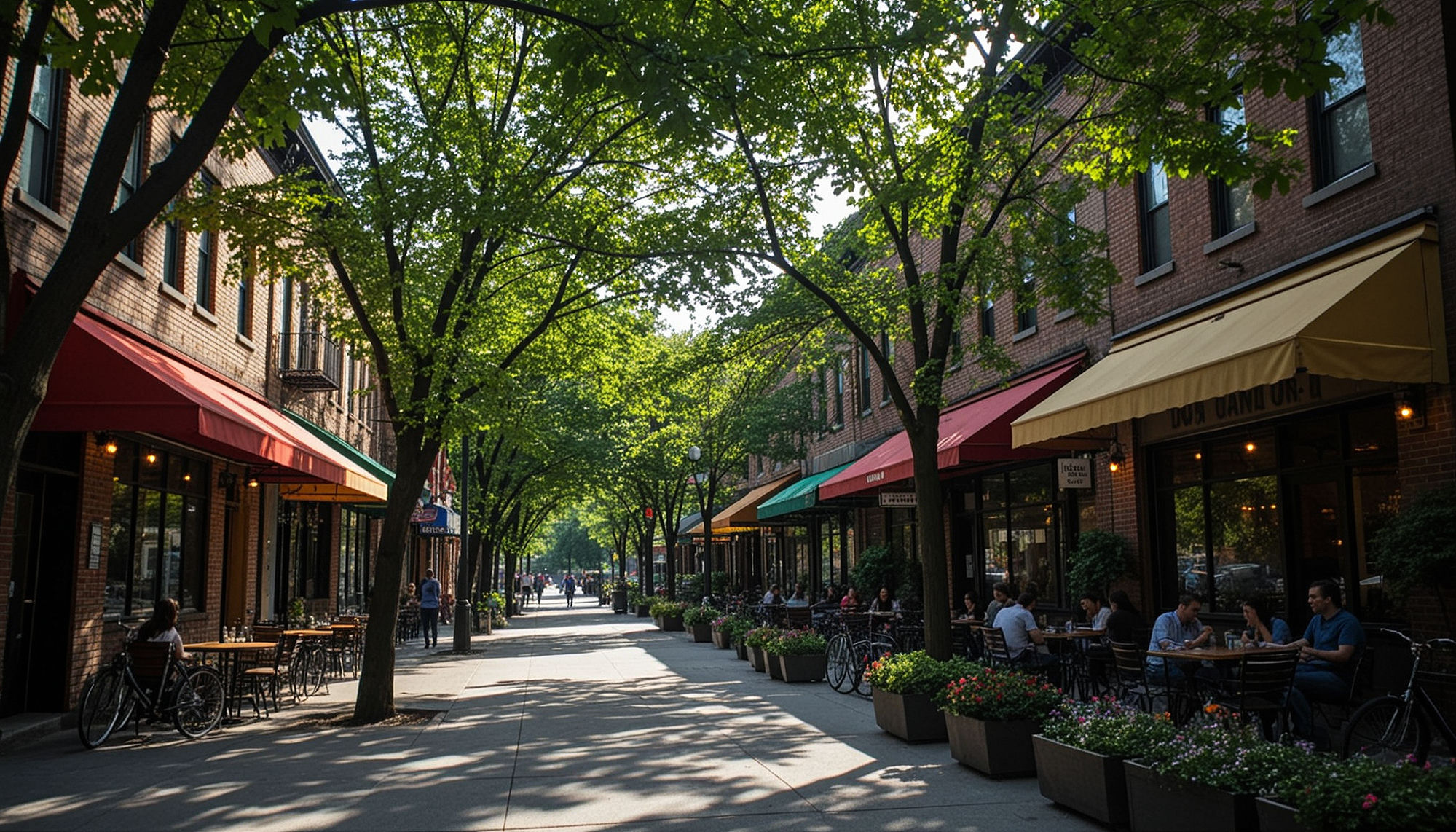
What Are Homes Selling For?
The housing mix here runs from newer condos along the Queen Street corridor to Victorian semi-detached homes on the residential streets between Queen and Danforth, with a smaller supply of detached houses in between.
Condos
The Riv, a new 388-suite condominium development backing onto the Lower Don River Trail, has units starting in the mid-$500,000s, the most current local pricing available. Toronto’s condo market broadly has softened over the past year, so this range reflects current conditions more accurately than listings from 2024 or early 2025. Confirm any developer pricing directly, as pre-construction figures can shift before occupancy.
Semi-Detached
The Toronto-wide benchmark for semi-detached homes sat at $1,067,672 in May 2026, according to TRREB data. South Riverdale semis tend to trade broadly in line with that city-wide figure, with specific pricing driven by the street, the condition of the home, and whether a basement suite adds rental income. The better-renovated Victorian semis on the quieter residential streets typically push above the city average.
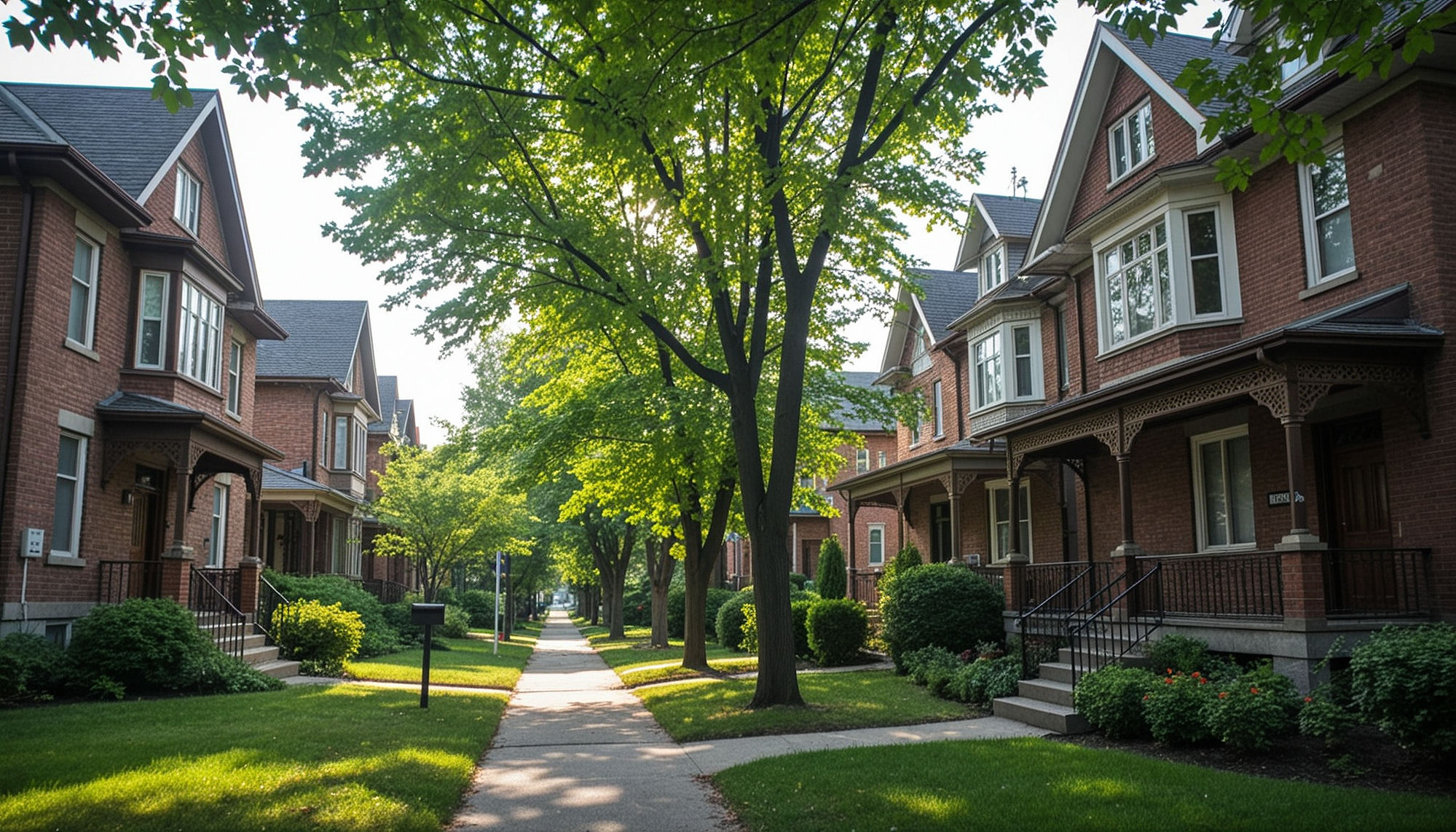
Detached
Toronto’s city-wide average for detached homes was $1,358,131 in May 2026 (TREBB). Detached supply in this part of East Toronto is limited relative to demand, and that scarcity tends to keep local detached prices at or above the city average when well-priced properties come to market.
Local Market Snapshot
Zolo’s May 2026 neighbourhood data puts South Riverdale’s blended average (across all property types, including condos) at $1,238,654. That figure is a useful local context point, but it is not directly comparable to the TREBB semi or detached benchmarks above, which cover only those property classes. A blended average that includes condos will naturally sit below a semi-only figure for the same market. Read the two sets of numbers as complementary, not competing.
What It Actually Costs to Own
Purchase price is only part of the picture. Here is what ongoing ownership looks like, using a mid-range semi-detached as the working example.
Mortgage
On a $1,067,672 purchase with 20% down, you are putting in $213,534 and financing $854,138. At a five-year fixed rate of 4.34% (the lowest available through Scotiabank as of June 11, 2026, with rates across lenders ranging from 4.0% to 4.34%), that works out to approximately $4,960 per month over a 25-year amortization. Rates move. Confirm what you qualify for with your lender before building any plan around a specific number.
Property Tax
Toronto’s 2026 residential mill rate is 0.7673%. That rate is applied to your property’s assessed value, which is set by MPAC (the Municipal Property Assessment Corporation) and is not the same as what you paid for the home. MPAC assessments in Toronto commonly run below sale prices, which means your actual annual tax bill may be lower than a straight calculation against the purchase price would suggest. On a property with an assessed value in the $1,000,000 range, the tax comes to roughly $7,600 to $8,200 per year, or roughly $635 to $685 per month, illustratively. The specific number for any home you are considering depends on that property’s MPAC assessment.
Condo Fees
If you are buying a condo rather than a semi, add maintenance fees to the carrying cost. Across Toronto, fees for a 700-square-foot one-bedroom unit typically run $420 to $1,050 per month, depending on the building’s age, amenities, and reserve fund health. These are Toronto-wide ranges. A newer building in this area may run higher or lower. Budget at the higher end until you see the specific status certificate.
Monthly Carrying Cost: The Full Picture
For a mid-range semi with no condo fees, the total carrying cost breaks down roughly like this:
- Mortgage: ~$4,960
- Property tax: ~$660 (illustrative, based on assessed value)
- Home insurance: ~$125
- Utilities and maintenance reserve: ~$250
- Total: roughly $5,900 to $6,100 per month
These are illustrative figures based on May and June 2026 data points. Your actual number will vary based on the property, your down payment, and the rate you qualify for.
What Renters Are Paying
Renting a one-bedroom in the East Toronto area runs from roughly $1,575 to $2,400 per month, depending on the building and unit, based on Zumper’s data from earlier this year. The median across all unit types in the East Danforth area sat around $1,787 per month as of spring 2026, the closest available proxy for this neighbourhood (street-level South Riverdale-specific rental data is not published in a centralized source).
For broader context, the Toronto-wide average in June 2026 was $2,098 for a one-bedroom and $2,650 for a two-bedroom, according to Bremo’s rental tracker. East Toronto has historically run a bit below the city average for comparable units, though that gap has been narrowing.
Purpose-built rental buildings in the area have been seeing rent increases in the 4 to 6% range year-over-year. That trend affects the buyer-versus-renter comparison over time.
Get monthly market updates.
Once a month I send a short breakdown of what’s selling, what’s sitting, and what it’s actually going for. No fluff, just the numbers.
Buyers vs. Renters: The Honest Math
On a monthly cash-flow basis, renting is cheaper right now. A one-bedroom rental at $1,800 to $2,100 per month costs significantly less than the $5,900 to $6,100 it takes to carry a semi-detached. That gap is real and it matters.
What changes the math on a longer time horizon: rent keeps going up (4 to 6% annually in recent years), while a fixed mortgage payment does not. Ownership builds equity with every payment. And in a neighbourhood with two major transit projects currently under construction (one targeting 2028, one targeting 2031), the property you buy today will be sitting in a functionally different location within five years.
None of that makes ownership automatically the right call. It depends on your down payment, your timeline, and what you are comparing it to. But for buyers who are planning to stay five or more years, the month-to-month gap looks different when you account for what you are building toward.
What’s Coming to the Neighbourhood
This is the part of the post that is harder to price into a current listing but will matter more than almost anything else in a few years.
East Harbour Transit Hub
Construction began in February 2026 on a 38-acre transit hub at East Harbour, just south of Eastern Avenue near the Don River. The hub will connect GO Transit’s Lakeshore East and Stouffville lines with the Ontario Line, and Metrolinx projects it will serve roughly 100,000 daily commuters when it opens. The current target is 2028. This is already under construction, not a proposal.
For context: a major transit hub of this scale is one of the things that systematically reprices surrounding real estate over the decade following its announcement. East Harbour is the equivalent for this corridor.
Ontario Line: Leslieville Station
The Ontario Line, a 15.6-kilometre rapid transit line connecting the Exhibition to the Ontario Science Centre, will have a dedicated station serving this neighbourhood. The station was renamed from “Riverside-Leslieville” to “Leslieville” in April 2026. Piling work began in May 2025, and Metrolinx’s current completion target for the full line is 2031. South Riverdale sits between two Ontario Line stations: one here, and the East Harbour hub to the west.
Neighbourhood Development
The Riv condominium (388 suites, backing onto the Lower Don River Trail with connections to Riverdale Park, Evergreen Brickworks, and Corktown Common) is the most recent active residential project in the area. A 35-storey mixed-use development is also planned at Broadview and Danforth, though planned projects can change before they break ground.
Where the Market Stands Right Now
Toronto’s broader housing market has softened modestly from 2025 levels. The city-wide average for semi-detached homes is down about 3% year-over-year, and detacheds have slipped roughly 5%, according to May 2026 TREBB data via WOWA.ca. South Riverdale is holding up better than that picture suggests. According to Zolo’s May 2026 neighbourhood data, more than half of homes in the area (52.9%) sold above their asking price, and the typical home moved in under three weeks, faster than the city average of 26 days. Well-priced homes here are still drawing competition.
The read on this: the correction softened the ceiling on overpriced listings, but it did not eliminate demand for well-positioned properties in a neighbourhood with genuine fundamentals. For buyers, that means realistic pricing expectations matter more than trying to time the market. For sellers, presentation and pricing strategy still drive outcomes.
Frequently Asked Questions About Riverside and South Riverdale
Is South Riverdale a good place to buy in 2026?
Yes, for buyers with a five-year horizon. Toronto semis are down about 3 percent year-over-year, yet South Riverdale is outperforming: Zolo’s May 2026 data shows 52.9 percent of homes sold above asking and moved in under three weeks. With the East Harbour hub and Ontario Line both under construction, buyers are paying today’s price for a neighbourhood that will be better connected within five years.
What is the average home price in South Riverdale?
Prices depend on property type. TRREB’s May 2026 data put Toronto semis at $1,067,672 and detached homes at $1,358,131, and South Riverdale trades broadly in line with those benchmarks. Zolo’s blended average across all types, including condos, was $1,238,654. New condos at The Riv start in the mid-$500,000s. Confirm current figures with a local realtor, since averages shift with the mix of homes selling.
Is it cheaper to rent or buy in Riverside?
On monthly cash flow, renting wins right now. A one-bedroom in the area runs roughly $1,800 to $2,100, while carrying a mid-range semi costs about $5,900 to $6,100 all-in once you add mortgage, property tax, insurance, and utilities. Buying makes its case over time through equity and rising rents, so it favours anyone planning to stay five or more years.
Is Riverside a safe neighbourhood in Toronto?
Riverside and South Riverdale are established, walkable East Toronto neighbourhoods with steady street life along Queen Street East near the Don River. The area draws young families, professionals, and long-time residents, and sits close to parks, the Lower Don Trail, and the lake. Like any urban district it varies block to block, but it is regarded as one of the city’s more settled inner-east pockets.
How will the East Harbour transit hub affect South Riverdale home prices?
Two projects are under construction here. The East Harbour hub, targeting 2028, will link GO’s Lakeshore East and Stouffville lines with the Ontario Line and serve roughly 100,000 daily commuters. The Ontario Line’s Leslieville station, targeting 2031, adds a dedicated stop. Major transit consistently reprices nearby real estate over the following decade, so buying before both open is the core investment argument for this area.
Thinking About Buying or Selling in Riverside or South Riverdale?
The numbers above are illustrative. Your actual carrying cost depends on your down payment, the rate you qualify for, and the MPAC assessment on the specific property you are considering. If you want to run those numbers on a house you are actually looking at, that is a 30-minute conversation.
Sumita Dhillon is a KW Toronto realtor who works the East Toronto market. She knows this area not just as market data but as the neighbourhoods where her clients actually live.
Data in this post reflects sources current to June 2026 and is provided for general information only. Market conditions change. Property tax figures are illustrative and based on assessed value as set by MPAC, which may differ from purchase price. Mortgage payment estimates are based on a 4.34% five-year fixed rate as of June 11, 2026, and will vary by lender and qualification. Confirm all figures with your realtor and lender before making any financial decisions.